Looking for a unique adventure near Nairobi? Mount Suswa is a breathtaking double-crater volcano in Kenya’s Great Rift Valley, offering hiking trails, stunning lava tube caves, camping under the stars, and a glimpse into Maasai culture. Ideal for adventure seekers, nature lovers, and travelers wanting to explore one of Kenya’s most unique volcanic landscapes, Mount Suswa promises an unforgettable outdoor experience.
Welcome to this comprehensive guide for a volcanic paradise hidden within the Great Rift Valley. This destination offers a rare blend of rugged beauty and fascinating cultural history for every traveler.

If you enjoy Nairobi hiking, this spectacular destination is a total dream for any explorer. It is just a short drive from the city, making it a perfect weekend escape for locals and tourists alike. You can explore massive caves and deep craters that feel like a completely different planet.
Planning your Kenya travel should definitely include this incredible shield volcano. Whether you want to trek through the wilderness or learn local stories, this guide helps you prepare for the trip. Discover a breathtaking landscape that many visitors often miss during their stay.
Key Takeaways
Discovering Mount Suswa: Kenya's Hidden Volcanic Paradise
Kenya's Mount Suswa is a fascinating volcanic formation that beckons adventure seekers and nature lovers alike. This unique destination offers an experience that combines exploration, adventure, and a deep connection with nature.
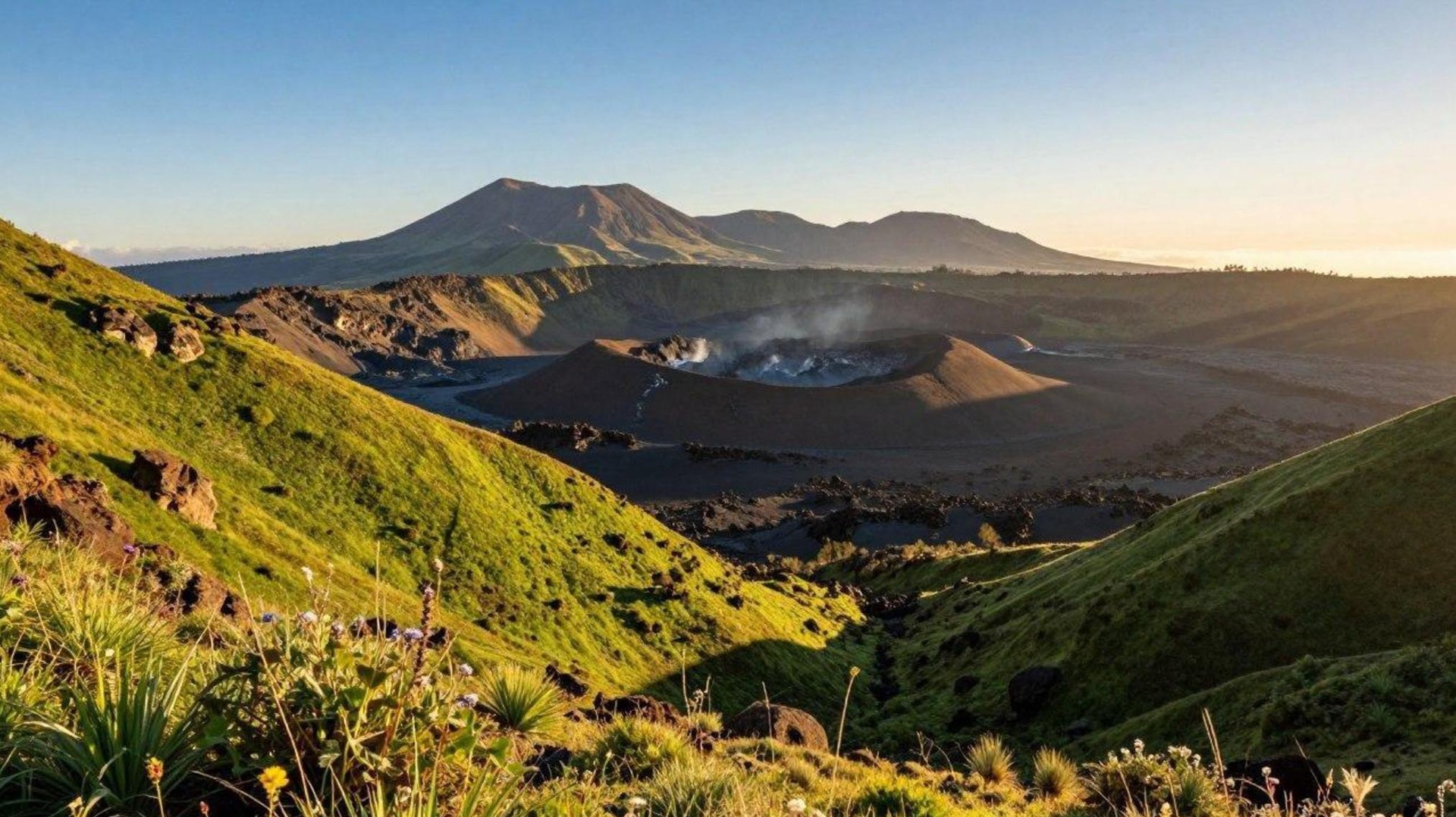
Mount Suswa is not just any ordinary volcanic formation; it's a double crater volcano with an inner crater that houses an extensive network of lava tube caves. This natural wonder is a marvel of geological history, providing a glimpse into the Earth's past.
New text element
What Makes This Volcanic Wonder Special
The uniqueness of Mount Suswa lies in its geological features. The double crater formation is a rare occurrence, making it a subject of interest for geologists and adventure seekers. The inner crater, with its lava tubes, offers a surreal experience, allowing visitors to explore the depths of the volcano.
The geological significance of Mount Suswa is further enhanced by its relatively untouched state. Unlike other volcanic regions that have been heavily touristed, Mount Suswa remains a pristine environment, offering a genuine adventure experience.
Why Adventure Seekers Choose Mount Suswa Over Mainstream Destinations
Adventure seekers are drawn to Mount Suswa because it offers a departure from the usual tourist trails. The volcano's rugged landscape and the thrill of exploring its caves and craters provide an adrenaline rush like no other.
Moreover, Mount Suswa's serene and untouched environment allows visitors to connect with nature on a deeper level. The opportunity to camp under the stars, hike through the volcanic terrain, and explore the lava tubes makes Mount Suswa a paradise for those seeking adventure and solitude.
The Fascinating Geology and History of Mount Suswa
With its distinctive double crater formation, Mount Suswa is a fascinating subject for geologists and adventure seekers alike. This unique volcano near Nairobi offers a glimpse into Kenya's geological past and its cultural significance to the local communities.
Understanding the Double Crater Formation
Mount Suswa's double crater is one of its most striking features. The volcano has an outer and inner crater, with the inner crater being a more recent geological development. This formation is a result of centuries of volcanic activity, with the inner crater formed by a process known as caldera collapse.
The double crater formation is not just a geological wonder; it also creates a unique ecosystem within the craters. The inner crater, in particular, is of great interest due to its relatively recent formation and the volcanic activity that shaped it.
Volcanic Activity and Geological Timeline
The geological history of Mount Suswa is characterized by significant volcanic activity. The volcano is part of the Rift Valley's volcanic belt, an area known for its volcanic and tectonic activity. The timeline of Mount Suswa's volcanic activity stretches back hundreds of thousands of years, with various eruptions shaping the volcano's structure over time.
The Maasai Heritage and Cultural Significance
Mount Suswa is not only a geological wonder but also a place of significant cultural heritage, particularly for the Maasai people. The Maasai have lived in harmony with this landscape for generations, and their traditions and beliefs are closely tied to the land.
The cultural significance of Mount Suswa to the Maasai is multifaceted:
How to Get to Mount Suswa from Nairobi
The journey to Mount Suswa from Nairobi is straightforward, with options to suit different preferences and budgets. Whether you're looking to drive through Kenya's scenic landscapes or prefer a hassle-free journey with public transport or tour operators, getting to Mount Suswa is relatively easy.
Driving Directions via Mai Mahiu
For those who enjoy road trips, driving from Nairobi to Mount Suswa via Mai Mahiu is a popular choice. The route takes you through some of Kenya's most beautiful landscapes, offering a glimpse into the country's diverse geography. To start, take the Nairobi-Nakuru highway (A104) towards Nakuru. Continue on this road until you reach Mai Mahiu, a small town that serves as a critical juncture for travelers heading to Mount Suswa.
From Mai Mahiu, turn off onto the C69 road, which leads directly to the Mount Suswa Conservancy gate. The drive from Nairobi to Mai Mahiu takes approximately 2 hours, depending on traffic conditions. The subsequent journey from Mai Mahiu to Mount Suswa is about an hour, but it requires careful navigation due to the rugged terrain.
Road Conditions and Vehicle Requirements
The road conditions from Mai Mahiu to Mount Suswa can be challenging, particularly during the rainy season. The terrain becomes muddy and slippery, making it difficult for standard vehicles to navigate. Therefore, a 4WD vehicle is highly recommended for this journey to ensure safety and accessibility.
Before embarking on your trip, it's advisable to check the current road conditions and weather forecast. This preparation will help you plan your journey more effectively and avoid any potential hazards associated with Kenya's variable weather.
Public Transport and Tour Operator Options
For travelers who prefer not to drive or lack experience with Kenyan road conditions, public transport and tour operators offer a convenient alternative. Several tour companies provide packages that include transportation from Nairobi to Mount Suswa, often combined with guided tours of the area's attractions.
Using public transport involves taking a matatu (minibus) or bus from Nairobi to Mai Mahiu, and then possibly hiring a local taxi or joining a group tour to reach Mount Suswa. While this option is more budget-friendly, it may require more time and flexibility due to the less predictable nature of public transport schedules.
Choosing a reputable tour operator can simplify your travel plans and enhance your overall experience. Many operators offer comprehensive packages that include transport, accommodation, and guided activities, making them an excellent choice for those seeking a hassle-free adventure.
When to Visit Mount Suswa for the Best Experience
To ensure a memorable visit to Mount Suswa, it's crucial to consider the seasonal variations and plan accordingly. The unique landscapes and activities offered by this volcanic paradise make it a year-round destination, but the timing of your visit can significantly enhance your experience.
Dry Season Advantages
The dry seasons, spanning from June to October and January to February, offer the most favorable conditions for hiking and exploring the crater and caves. During these periods, the weather is generally dry and sunny, making the trails more accessible and the terrain easier to navigate.
Clear skies and comfortable temperatures also make the dry season ideal for photography, allowing you to capture the stunning landscapes and unique geological formations without the hindrance of rain or fog.
Rainy Season Considerations
The rainy seasons, from March to May and November to December, bring a different kind of beauty to Mount Suswa. While the wet conditions can make some trails challenging, the landscape becomes lush and vibrant, offering unique photography opportunities.
The rainy season is also a good time for those interested in seeing the crater's flora in bloom. However, visitors should be prepared for potentially muddy trails and reduced visibility in the caves and crater.
Best Time for Photography and Wildlife Viewing
For photography enthusiasts, the dry season is generally preferred due to the clear skies and dry landscapes. However, the rainy season offers the chance to capture the lush vegetation and dramatic skies. Early morning and late afternoon are the best times for photography, as the soft light enhances the natural beauty of the landscapes.
Wildlife viewing is another consideration. The dry season tends to concentrate wildlife around water sources, making them easier to spot. In contrast, the rainy season disperses wildlife as water becomes more widely available, but it's still possible to see a variety of species, including the unique cave-dwelling creatures.
Exploring the Magnificent Lava Tube Caves
Exploring the lava tube caves of Mount Suswa is an adventure that combines geology, adventure, and wildlife. These caves, located within the inner crater, are a result of volcanic activity and offer a unique glimpse into the geological history of the area.
The Inner Crater Cave System Explained
The inner crater of Mount Suswa houses an extensive network of lava tube caves. These caves were formed as a result of the volcanic activity that shaped the mountain. The lava tubes are essentially tunnels that were once conduits for molten lava flowing from the volcano.
Lava tube caves are not just geological formations; they also host a unique ecosystem. The stable temperature and humidity within the caves support a variety of life forms.
Essential Gear for Cave Exploration
To explore the lava tube caves safely, visitors need to be properly equipped. Essential gear includes:
Navigating the Caves Safely
Navigating the caves requires more than just the right gear; it demands an understanding of cave safety. Visitors should be aware of potential hazards such as loose rocks, narrow passages, and the risk of getting lost. It's advisable to explore the caves with a guided tour or an experienced guide who knows the cave system.
The Bat Colonies and Underground Ecosystem
One of the most fascinating aspects of the lava tube caves is the presence of large bat colonies. These colonies are part of a unique underground ecosystem that thrives in the stable conditions within the caves.
Exploring the lava tube caves of Mount Suswa is an adventure that offers insights into geological history, unique ecosystems, and the thrill of discovery. With the right preparation and guidance, visitors can have a safe and enriching experience.
Hiking Trails and Crater Adventures
The hiking trails at Mount Suswa provide an unforgettable experience, ranging from leisurely walks to challenging hikes. Whether you're an avid hiker or just looking for a unique outdoor adventure, Mount Suswa has something to offer.
The Outer Crater Rim Walk
The Outer Crater Rim Walk is a moderate hike that offers stunning views of the surrounding landscape and the inner crater. This trail is ideal for those looking for a day hike with breathtaking vistas.
The trail is approximately 12 kilometers long and takes around 4-6 hours to complete, depending on your pace and how many stops you make to enjoy the views.
Descending into the Inner Crater
For the more adventurous, descending into the Inner Crater is a must. This hike is more challenging due to the steep descent and requires a good level of physical fitness. The inner crater hike offers a unique experience, with its volcanic landscapes and the opportunity to explore the lava tube caves.
Understanding the trail conditions and difficulty levels is crucial for planning your adventure at Mount Suswa. Make sure to choose a trail that suits your fitness level and experience.
Activities and Experiences at Mount Suswa
The unique landscape of Mount Suswa allows for a multitude of activities that appeal to both thrill-seekers and those looking for relaxation. From adventure sports to serene natural experiences, Mount Suswa caters to a wide range of interests.
Rock Climbing and Bouldering Opportunities
Mount Suswa offers rock climbing and bouldering opportunities that are perfect for adventure enthusiasts. The rugged terrain and unique rock formations provide challenging climbs and exciting bouldering routes. Climbers can enjoy the thrill of ascending volcanic rock faces, taking in the breathtaking views of the surrounding landscape.
Camping Under the Stars
For those looking for a more relaxed experience, camping under the stars at Mount Suswa is an unforgettable experience. The clear skies and minimal light pollution make it an ideal spot for stargazing. Campers can enjoy the serene atmosphere, listening to the sounds of nature and watching the night sky come alive with stars.
Wildlife and Bird Watching
Mount Suswa is also a haven for wildlife and bird enthusiasts. The area is home to a diverse range of species, including hyenas, gazelles, and various bird species. Visitors can explore the trails and crater rim to spot these animals in their natural habitat.
Photography Hotspots
For photographers, Mount Suswa provides endless photography hotspots. The unique geological formations, diverse wildlife, and stunning landscapes offer countless opportunities to capture memorable images. Key photography spots include the crater rim, lava tube caves, and the inner crater.
Accommodation Options Near Mount Suswa
For travelers planning to explore Mount Suswa, a range of accommodation options are available to suit different preferences and budgets. Whether you're looking for an immersive outdoor experience or a comfortable stay in nature, there's something for everyone near this Kenyan volcanic paradise.
Camping on the Mountain Slopes
Camping on the slopes of Mount Suswa offers a truly immersive experience, allowing visitors to wake up to breathtaking views of the surrounding landscape. The campsites are equipped with basic amenities, ensuring a comfortable stay under the stars. For those seeking adventure, camping is an ideal way to connect with nature and enjoy the tranquility of the area.
Nearby Lodges and Eco-Camps
For those preferring more comfort, nearby lodges and eco-camps provide a relaxing stay amidst nature. These accommodations offer a range of amenities, from basic to luxurious, and often include guided tours and activities to enhance your Mount Suswa experience. Eco-camps, in particular, focus on sustainable tourism, ensuring that your stay has a minimal impact on the environment.
Budget-Friendly and Luxury Alternatives
Mount Suswa caters to a wide range of budgets, offering both budget-friendly and luxury accommodation options. For travelers on a tighter budget, there are affordable camping sites and basic lodges. On the other hand, luxury eco-lodges and safari-style camps provide a more upscale experience, complete with fine dining and personalized service. This diversity ensures that all visitors can find a suitable place to stay, regardless of their budget.
When choosing your accommodation, consider factors such as proximity to Mount Suswa, available amenities, and the type of experience you're looking for. Whether you opt for the simplicity of camping or the luxury of an eco-lodge, your stay near Mount Suswa is sure to be memorable.
Practical Travel Planning Information
Planning a trip to Mount Suswa requires careful consideration of several key factors to ensure a safe and enjoyable experience. Understanding the practical aspects of your visit will help you make the most of your time at this unique volcanic destination.
Entry Fees and Conservation Charges
Before heading to Mount Suswa, it's crucial to be aware of the entry fees and conservation charges. These fees are essential for maintaining the area's natural beauty and supporting conservation efforts. The current fees are as follows:
Essential Packing List for Mount Suswa
Packing the right gear is vital for a successful and enjoyable trip to Mount Suswa. Here’s a list of essentials to consider:
Hiring Local Guides and Porters
Hiring local guides and porters can significantly enhance your experience at Mount Suswa. They provide valuable insights into the area's geology, history, and culture, and can assist with navigation and carrying gear.
Benefits of Local Guides:
Cell Phone Coverage and Communication
Cell phone coverage at Mount Suswa can be limited. It's advisable to inform someone about your itinerary and expected return time. Consider renting a satellite phone if you plan to venture into more remote areas.
Water Sources and Food Provisions
It's essential to bring sufficient water and food supplies, as services may be limited near Mount Suswa. Ensure you have a water purification method if needed, and pack non-perishable food items.
Safety Tips and Important Considerations
Ensuring a safe and enjoyable trip to Mount Suswa requires careful planning and awareness of potential hazards. Visitors must be prepared for the unique challenges presented by this volcanic landscape.
Health Precautions and Altitude Acclimatization
Mount Suswa's altitude can pose health risks, particularly for those not accustomed to high elevations. It's essential to acclimatize by spending a day or two at a lower altitude before ascending. Staying hydrated and avoiding strenuous activities initially can also help mitigate altitude sickness.
Key Health Precautions:
Wildlife Safety Guidelines
Mount Suswa is home to various wildlife, including some that may pose a threat to visitors. Keeping a safe distance and not approaching or feeding wildlife is crucial. Guides can provide valuable insights into the behavior of local animals.
Remember, respecting wildlife and their habitat is key to a safe and enjoyable experience.
Cave Exploration
Exploring the caves at Mount Suswa can be an exhilarating experience, but it requires proper preparation. Wearing appropriate gear, including helmets and headlamps, and staying with a group are essential safety measures.
Respecting Maasai Land and Cultural Etiquette
Mount Suswa is situated within Maasai land, and respecting the local culture is not only a sign of respect but also contributes to a more enriching experience. Visitors should be mindful of cultural norms and traditions.
By being aware of and adhering to these safety tips and considerations, visitors can ensure a safe, enjoyable, and culturally sensitive trip to Mount Suswa.
Conclusion
As we conclude our journey through the wonders of Mount Suswa, it's clear that this Kenyan volcanic paradise is a treasure trove of adventure, natural beauty, and cultural significance. Located near Nairobi, Mount Suswa offers a unique blend of experiences that cater to a wide range of interests.
From the fascinating geology of its double crater formation to the variety of activities such as hiking, rock climbing, and wildlife viewing, Mount Suswa is a destination that promises an unforgettable experience. By planning your visit according to the dry season advantages and being mindful of the practical and safety considerations outlined in this Kenya travel guide, you can ensure a rewarding and memorable trip.
Whether you're an adventure seeker, a nature lover, or someone looking to explore off the beaten path, Mount Suswa is a must-visit destination. So pack your bags, grab your hiking boots, and get ready to uncover the secrets of this incredible volcanic wonder. The Mount Suswa conclusion is clear: it's a hidden gem that awaits your discovery.
FAQ
What exactly is a double crater, and why is Mount Suswa's formation so rare?
A double crater occurs when a secondary volcanic eruption happens within an existing caldera. At Mount Suswa, the inner crater is surrounded by a ring-shaped trench, creating a unique "island" in the center. This shield volcano is considered one of the most complex geological structures in the Great Rift Valley, offering a landscape you won't find anywhere else in Kenya.
Do I really need a 4WD vehicle to reach the Suswa Conservancy?
Yes, a 4WD vehicle with high clearance is strongly recommended. While the drive from Nairobi to Mai Mahiu is on smooth tarmac, the access roads leading up the mountain are rocky, steep, and can become quite muddy during the rainy seasons. Reliable brands like Toyota Land Cruiser or Land Rover are ideal for navigating the rugged terrain of the Suswa landscape.
What should I bring for a day of exploring the lava tube caves?
Exploring the lava tubes is an underground adventure! You should pack a powerful LED headlamp (and extra batteries), as the caves are pitch black. Wear sturdy hiking boots with good grip for the uneven volcanic rock, and bring a lightweight jacket, as the caves can be surprisingly cool. Don't forget a camera to capture the bat colonies and unique rock formations.
Is it necessary to hire a local Maasai guide for the hike?
While you can reach the area on your own, hiring a local Maasai guide is highly recommended and supports the Suswa Conservancy community. These guides have intimate knowledge of the Maasai heritage, the safest paths through the inner crater, and the best spots to view the famous Baboon Urban—a cave where large troops of baboons retreat every evening.
Are there any dangerous animals I should be aware of while hiking?
Mount Suswa is home to wildlife such as leopards, hyenas, and baboons. While sightings are rare during the day, it is important to follow wildlife safety guidelines provided by your guide. If you are camping under the stars, ensure all food is securely stored to avoid attracting scavengers to your campsite.
How much are the entry fees for international and local visitors?
Entry fees and conservation charges are paid at the conservancy gate and are used to maintain the trails and support the local Maasai community. Prices can vary slightly depending on whether you are a Kenyan citizen, resident, or international tourist. It is always a good idea to carry cash in Kenyan Shillings for entry fees and tips for your guides and porters.
Can I find fresh water and food provisions at the mountain?
No, Mount Suswa is a remote wilderness destination with no shops or running water on the mountain itself. You must carry all your food provisions and at least 3-4 liters of drinking water per person per day. If you are staying at nearby spots like the Mount Suswa Conservany Campsite, you will need to be fully self-sufficient.
Is altitude sickness a concern when hiking Mount Suswa?
The summit of Mount Suswa sits at approximately 2,356 meters (7,730 feet). While this is lower than Mount Kenya, some hikers may still feel the effects of the elevation. We recommend altitude acclimatization by staying hydrated and maintaining a steady, moderate pace during your crater rim walk.
